
When Two FIFA World Cup Aircraft Liveries Met Beyond Aviation
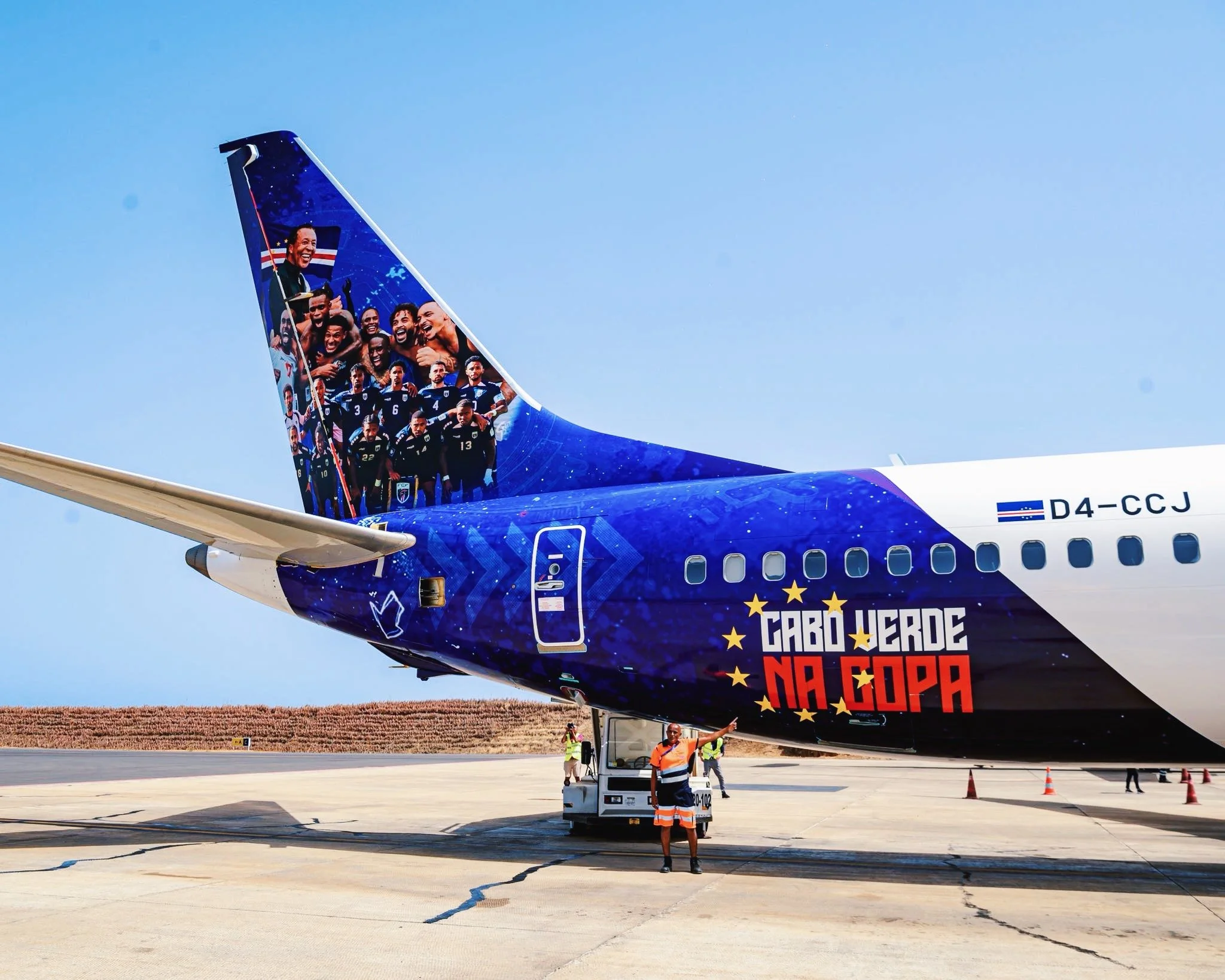
Aircraft liveries often tell stories that go beyond aviation. Some celebrate milestones, others support partnerships or national events. Occasionally, a project develops a connection that nobody could have predicted at the start. That was the case with two FIFA World Cup-themed aircraft liveries that LogoSky supported through the manufacturing of aircraft decals and placards.
One aircraft was dedicated to the Spanish National Team and operated by Iberia. The other supported the Cabo Verde National Team. Both projects were developed independently, for different operators and different audiences. Months later, however, the two teams met on the pitch and finished their match in a draw, creating an unexpected link between two aircraft that had already been flying with their national colours.
While the sporting result was outside the scope of the project, it provided an interesting reminder that aircraft liveries often become part of wider stories that extend far beyond airports and maintenance hangars.
Supporting National Identity Through Aircraft Liveries
Special aircraft liveries have become a familiar sight across the aviation industry. Airlines use them to mark anniversaries, promote destinations, celebrate partnerships or support national initiatives. Sporting events remain one of the most common reasons for introducing a temporary or long-term livery, particularly when national teams are involved. For airlines, these aircraft often serve as highly visible ambassadors.
Unlike traditional advertising channels, an aircraft travels between countries, appears in media coverage and is photographed by thousands of passengers and aviation enthusiasts throughout its service life. The Iberia National Team aircraft and the Cabo Verde National Team aircraft were both designed to create a strong visual connection with supporters while maintaining the professional appearance expected of commercial aviation operators. Achieving that balance requires more than a successful design concept. It also depends on the quality and performance of the aircraft decals and placards used throughout the installation process.
The Manufacturing Behind the Graphics
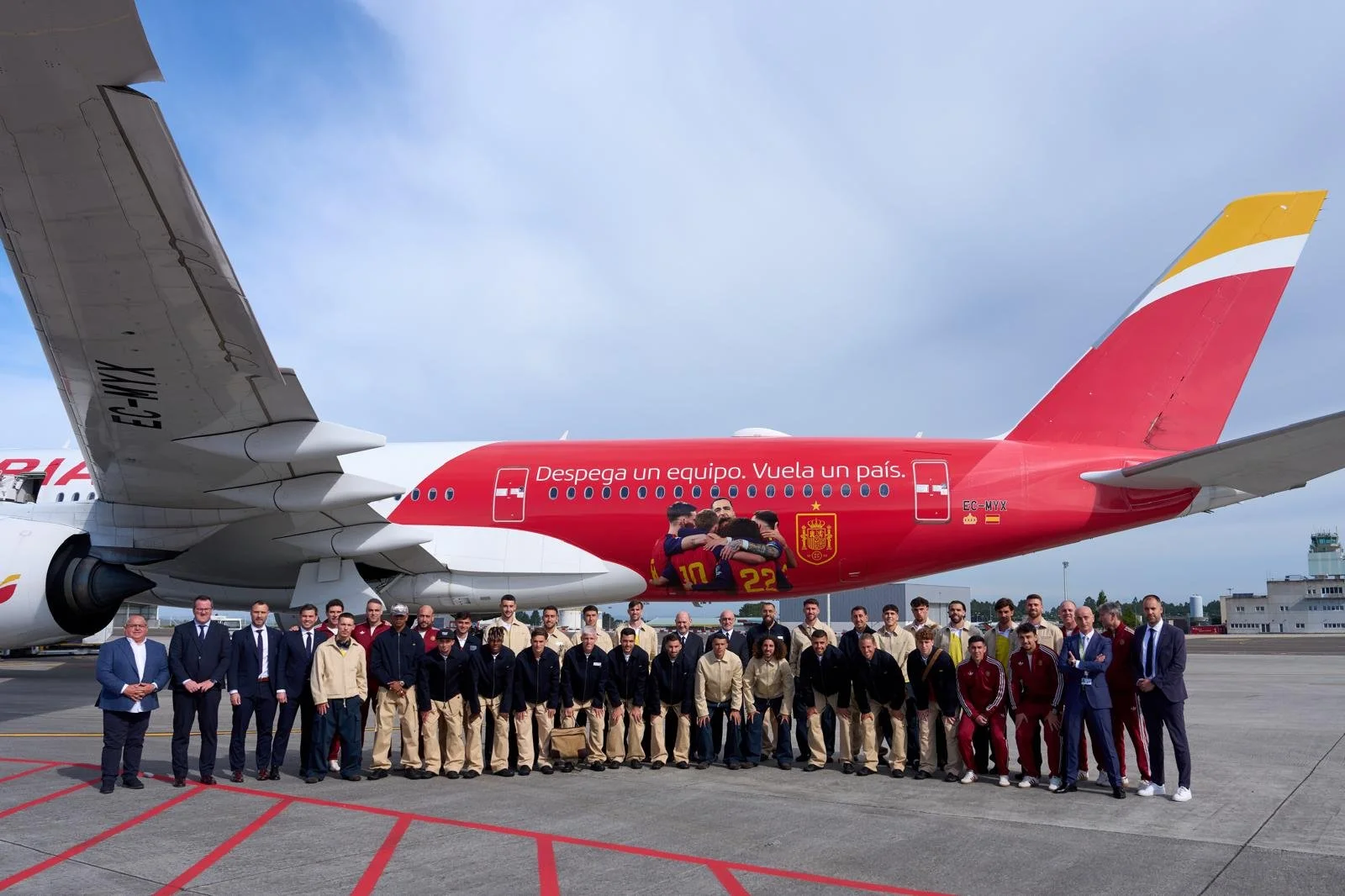
From a distance, a special livery may appear to be a straightforward graphic application. In reality, every aircraft livery relies on a manufacturing process that must account for the operational environment of the aircraft.
Aircraft surfaces are exposed to conditions that differ significantly from those experienced by conventional graphics. Ultraviolet radiation, changing temperatures, moisture, cleaning procedures and aerodynamic forces all influence the long-term performance of aircraft markings. Materials that perform well in other industries may not be suitable for aviation applications.
For this reason, the manufacturing of aerospace decals, aircraft placards and aircraft exterior placards requires a different approach. Material selection, dimensional accuracy, colour consistency and durability all play a role in ensuring that the final installation performs as intended throughout operational service.
As an EASA Part 21G-approved manufacturer, LogoSky applies aviation-focused manufacturing processes to meet these requirements. Whether supporting a fleet-wide marking programme or a one-off jet livery project, the objective remains the same: to provide technically compliant solutions that integrate effectively with the aircraft.
More Than Decorative Graphics
Although special liveries are often associated with branding, the aircraft itself remains an operational asset. Any external graphics must coexist with mandatory aircraft placards and markings that support maintenance, inspection and operational procedures. This is one of the less visible aspects of aircraft livery projects. Large graphics naturally attract attention, yet a successful installation depends equally on the smaller details.
Aircraft placards, exterior markings and identification elements must remain clear, durable and fully functional after the livery has been applied. Integrating these requirements into a complex visual design requires close coordination between designers, manufacturers and installation teams. The objective is not simply to create an attractive aircraft, but to ensure that the finished result continues to meet the practical requirements of day-to-day airline operations.
For projects connected to major international events such as the FIFA World Cup, this balance becomes particularly important. The aircraft must deliver a strong visual presence while continuing to operate across multiple routes, airports and environmental conditions.
An Unexpected Connection
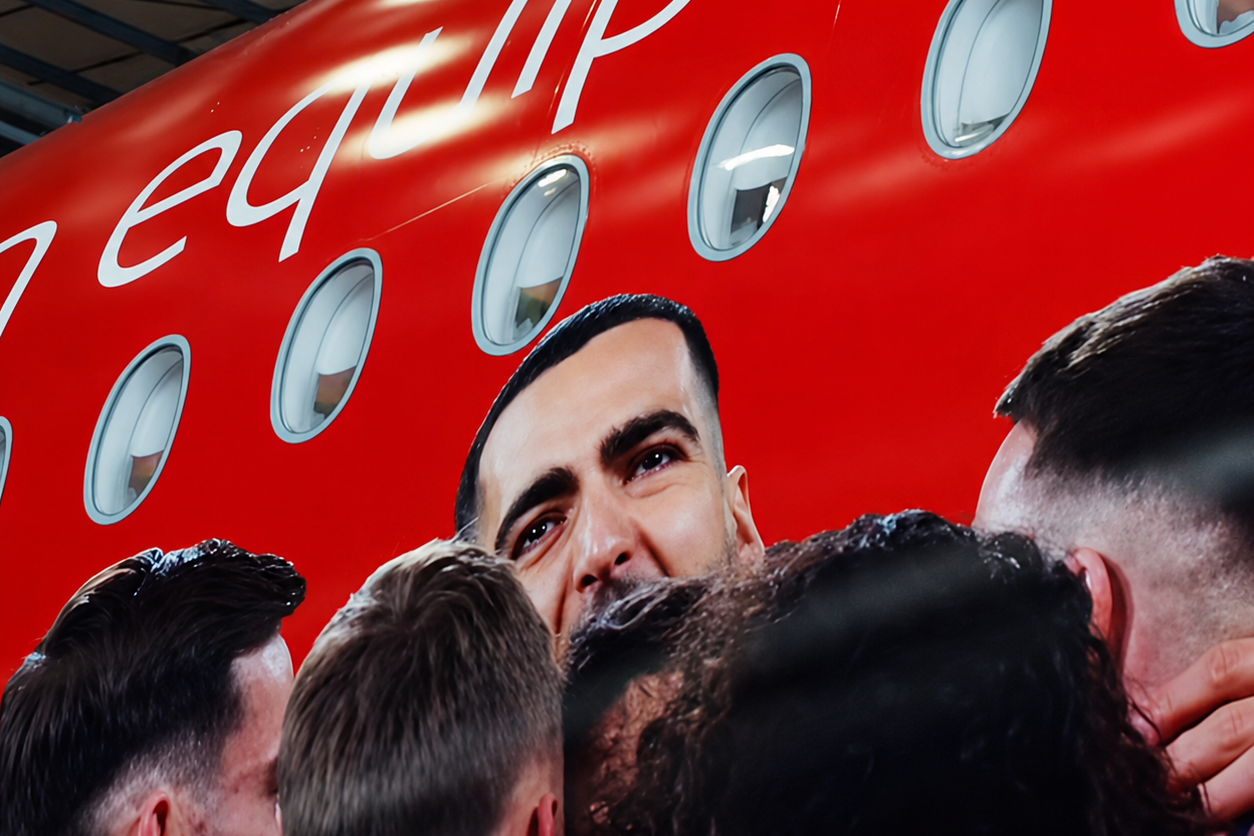
At the time of manufacturing, the Iberia and Cabo Verde projects were simply two separate aircraft livery applications. Each represented a national team preparing for international competition and required its own set of aircraft decals and placards tailored to its specific design.
The connection between them only became apparent later when Spain and Cabo Verde faced one another on the football field. The match ended in a draw, creating an unexpected relationship between two aircraft liveries that originated from entirely different LogoSky projects.
From an aviation perspective, the result changed nothing. The aircraft continued operating as planned and the liveries continued performing their intended function. Yet the coincidence added an interesting chapter to the story behind both aircraft and highlighted how aviation projects can sometimes intersect with events taking place far beyond the industry itself.
Why Manufacturing Expertise Matters
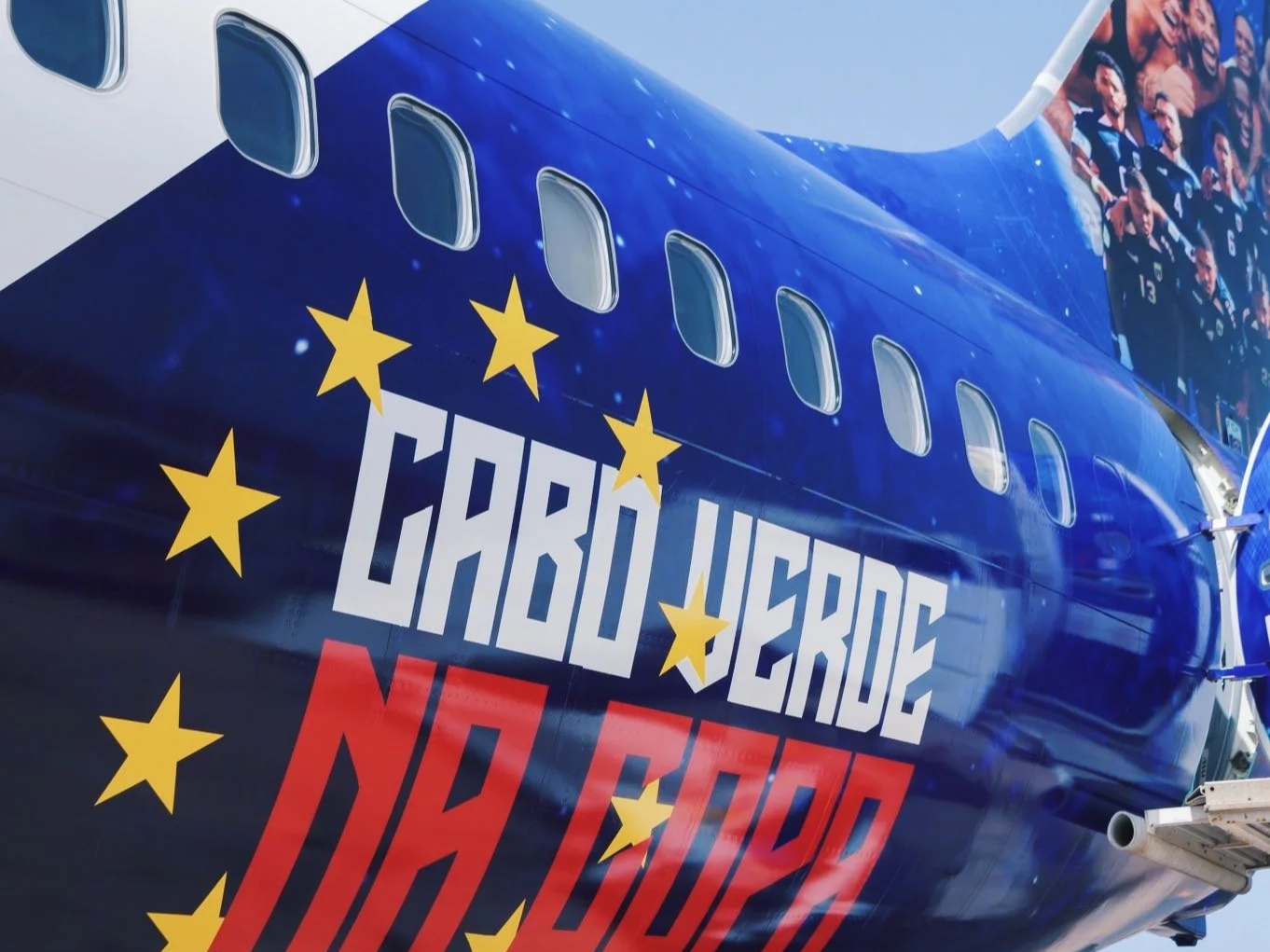
As airlines continue to invest in special aircraft liveries, the importance of experienced manufacturing partners remains unchanged. A successful project depends not only on creative design but also on the ability to translate that design into a durable aviation application.
This is particularly true for aircraft decals and placards, aerospace decals, aircraft placards and markings, and exterior placard kits for aircraft. Every component must be manufactured with the operational realities of aviation in mind. Durability, consistency and compliance are not optional considerations; they are fundamental requirements.
The FIFA World Cup liveries developed for the Iberia National Team and Cabo Verde National Team demonstrate how aviation manufacturing supports projects that combine national identity, visual communication and operational performance. While passengers may primarily see the finished aircraft, every successful livery begins long before installation, with the manufacturing processes that make those graphics possible.
For LogoSky, projects such as these reflect the role of specialised aviation manufacturing in supporting airlines around the world. Whether producing aircraft decals and placards for a major sporting event or supplying aircraft markings for day-to-day operations, the objective remains the same: delivering solutions designed specifically for the aviation environment.