
From Details to Identity: Aircraft Decals and Placards
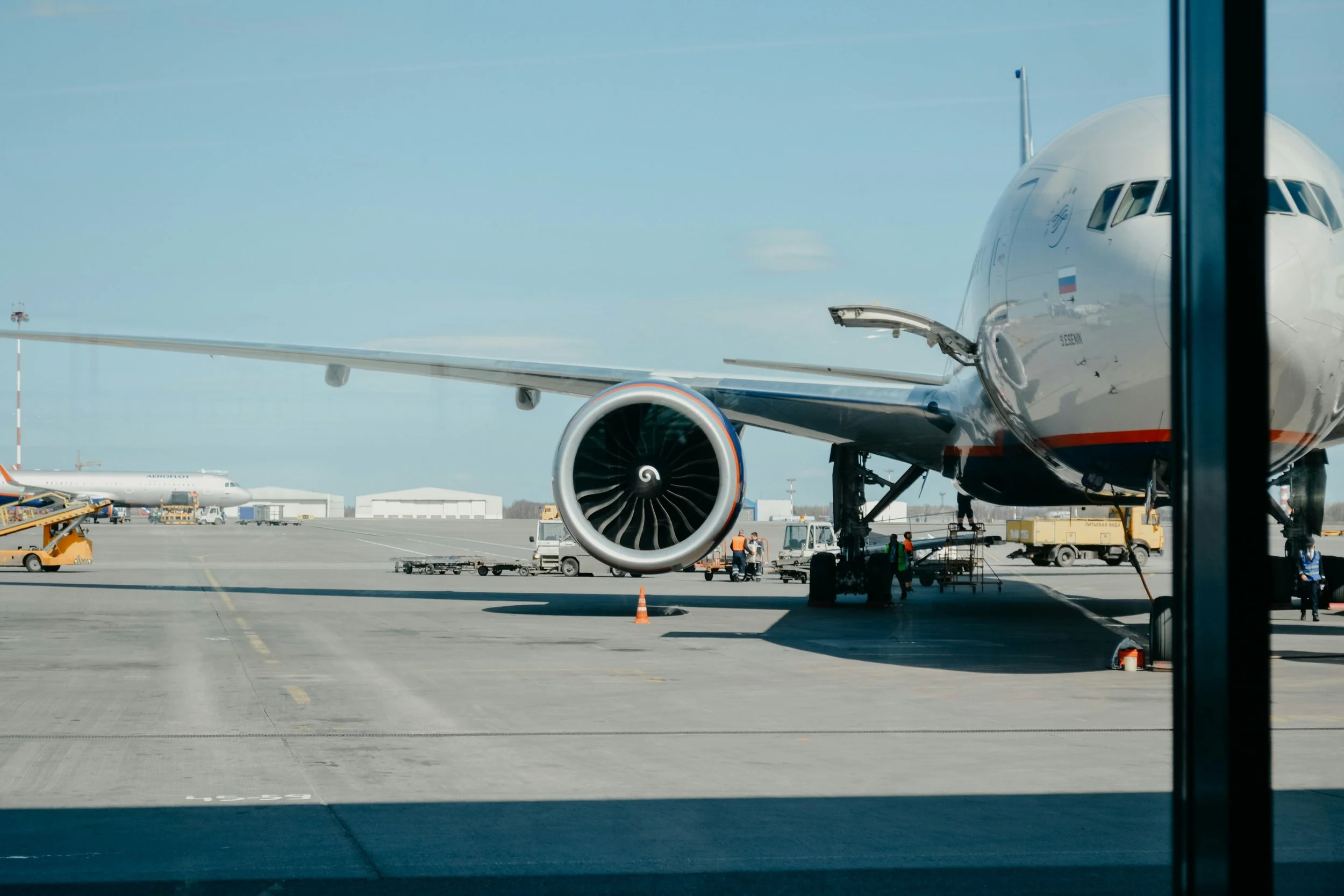
As 2025 comes to a close, aircraft continue to move through increasingly complex operational realities. Fleet transitions, regional operations and leasing cycles do not only require regulatory alignment, but also a stable and well structured visual language that can endure change. Over time, this visual continuity becomes part of how aircraft are managed, maintained and trusted. That continuity begins with aircraft decals and placards.
Often considered secondary details, aircraft placards and markings are in fact the first elements encountered on an aircraft the initial layer through which information, order and identity are communicated. From the first step into the cabin to the first glance at aircraft exterior placards, these markings quietly shape clarity, safety and perception long before anything else does.
Aircraft Placards and Markings Delivered in 2025: Defined by Quality
Aircraft placards and markings form a shared visual and informational language across the aircraft. They guide flight crews, inform passengers and support compliance, while registration markings, flags and aerospace decals establish legal identity and traceability throughout an aircraft’s service life.
Throughout 2025, fleet transitions, leasing returns, cabin modifications and maintenance driven replacements repeatedly showed how quickly visual inconsistencies emerge when placards are treated as individual items rather than as part of a system. In response to these realities, standardised placard kits played a critical role in restoring visual order, reducing variation and simplifying inspections across fleets.
Manufactured by an EASA Approved Part Manufacturer, aircraft placards defined by durability, accuracy and real operating conditions rather than appearance alone remained intentionally unobtrusive. When engineered correctly, aircraft placards do not draw attention to themselves; they simply remain reliable, consistent and fit for purpose.
From Functional Markings to Aviation Graphics
Beyond compliance, aviation graphics increasingly influence how an aircraft is perceived by crews, regulators and passengers alike. When aircraft placards, markings and aerospace decals follow a unified visual logic, functional information blends naturally with brand expression. This coherence becomes especially visible during periods of intensive activity, when multiple aircraft move simultaneously through production, installation, and return-to-service cycles.
Throughout 2025 and particularly in the final quarter of the year, this system-based approach translated into work that travelled quietly but widely. 123 aircraft took to the skies carrying liveries manufactured by LogoSky, supported by processes where decals, placards and markings were treated as connected elements.
Of these installations, 93 were completed by our own teams, while 30 additional aircraft were manufactured by us and installed by our customers, demonstrating consistency across different operational models. This work extended across 12 countries and 16 cities, reinforcing the value of standardisation at scale.
Aircraft Livery: Where Precision Becomes Visible
Aircraft livery represents the most visible expression of this system. It is where technical discipline, surface engineering and brand presence converge. During an especially intensive livery season, full installations, refresh projects, and new fleet deliveries underlined how material behaviour, surface preparation, environmental exposure and installation accuracy directly determine long-term visual performance. Projects such as SunExpress’s VfB Stuttgart livery and Vueling’s Dream. Play. Fly. aircraft, carrying the FC Barcelona Femení identity across Europe, illustrated how a livery extends far beyond aesthetics.
Aircraft that have already operated thousands of flights and carried hundreds of thousands of passengers continue to project stories, partnerships and brand narratives through precise execution on the aircraft surface.
Across Europe, additional livery programs reflected a year shaped not by visibility alone, but by consistency, timing and care. Approached with an aviation-focused mindset, aircraft livery becomes a natural continuation of the same precision applied to aircraft placards, markings and aviation graphics where details may fade, but precision does not.
One Visual Language Across the Aircraft
When aircraft decals and placards, aviation graphics, markings and aircraft livery are treated as parts of a single visual language, coherence follows naturally. This coherence reduces complexity during installation and maintenance, strengthens brand presence across fleets and reinforces trust in visual standards over time. For operators, this holistic approach has become an integral part of modern fleet management rather than a cosmetic choice.
Looking Ahead
Behind the aircraft, growth continued on the ground. In 2025, new teammates joined the team, skills expanded through structured training, and experience deepened across more regions and aircraft types. Growth, in this context, was not defined by speed but by staying consistent while moving forward together. As aircraft visual programs continue to expand in scale and complexity, precision and consistency remain essential.
At LogoSky, aircraft decals and placards, aerospace decals and aircraft livery are approached as connected parts of one system where execution matters as much as intent. Because in modern aviation, identity is not declared once. It is sustained, flight after flight, one marking at a time.